
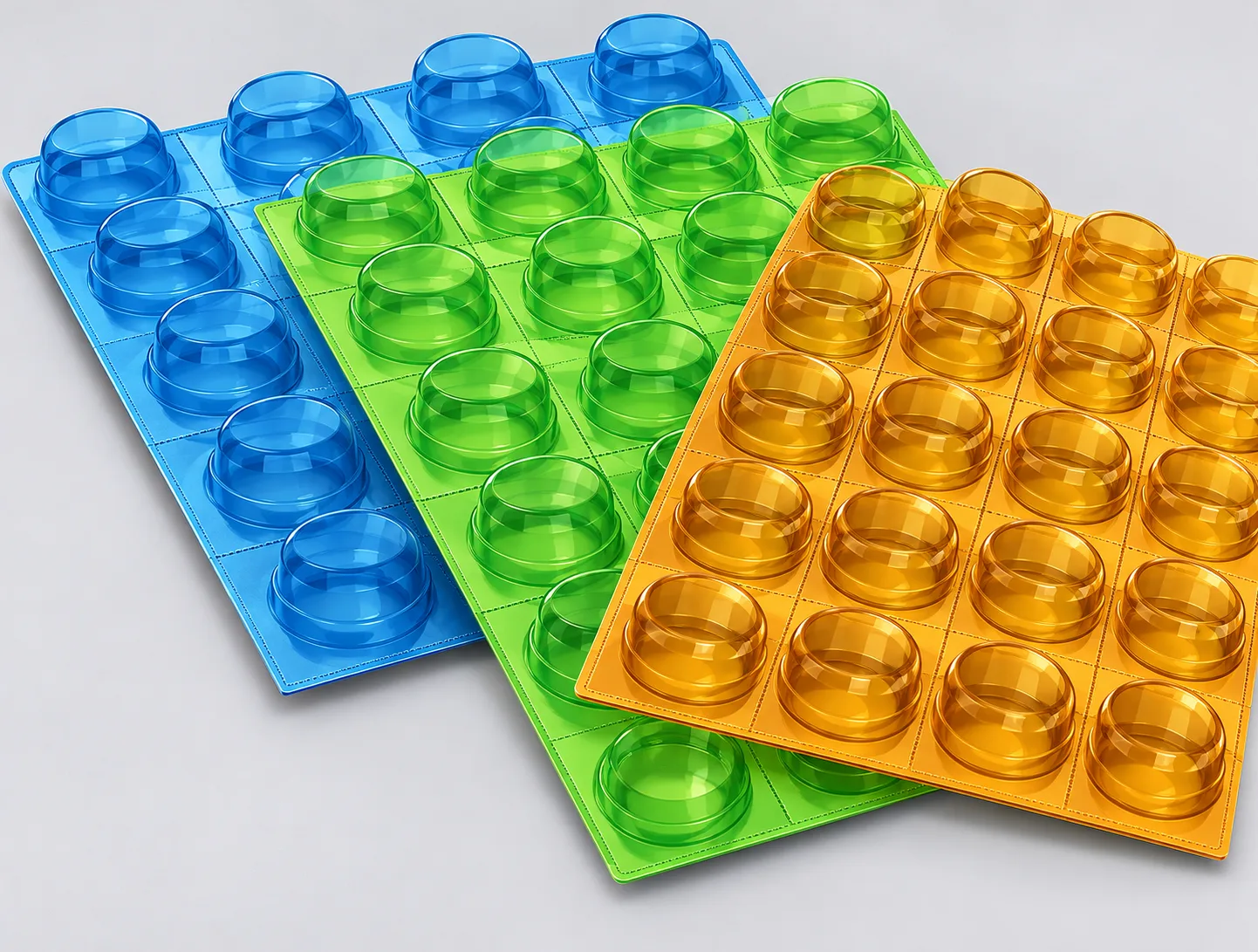
Coloured blisters are popular in hospital pharmacies. A red, blue, green or amber cup is easy to spot on a busy medicine trolley. Used well, colour speeds up sorting and draws attention. Used badly, it can lead staff to stop reading the label. Here is how to get the benefit without the risk.
Colour differentiation, not colour coding
Safety experts separate two ideas. Colour coding gives each colour a fixed meaning, so staff may identify a medicine by its colour alone. Colour differentiation uses colour to help tell items apart or to highlight a warning, while the label still carries the information. The US FDA generally recommends avoiding colour coding on drug labels in most cases, and ISMP advises that colour coding be used with extreme caution.
The Pennsylvania Patient Safety Authority notes that colour systems only work if everyone knows and remembers what each colour means, and that colour can make different drugs in the same group look more alike.
Good ways to use coloured blisters
- Separate medicine rounds (for example morning, noon, evening and night) so trays are easy to sort.
- Separate wards or units in a central pharmacy, so finished sheets go to the right place.
- Draw extra attention to high-alert medicines, together with a clear HIGH ALERT warning printed on the label.
ISMP defines high-alert medications as drugs that carry a heightened risk of significant patient harm when used in error, and publishes a list for acute care settings that includes groups such as anticoagulants like warfarin, insulin and opioids.
Rules that keep colour safe
- Write one hospital policy that defines each colour, train staff on it and post it in the pharmacy and on the wards.
- Keep the same colour meaning across every ward and shift.
- Never use colour as the only check: every dose still needs its printed name, strength and barcode, and every dose is still scanned.
- Review the policy after any error or near miss involving colour.
Related products
Sources
- FDA: Safety Considerations for Container Labels and Carton Labeling
- Pharmacy Practice News: Med safety experts urge a range of interventions
- Pennsylvania Patient Safety Authority: Drug Labeling and Packaging, Looking Beyond What Meets the Eye
- ISMP List of High-Alert Medications in Acute Care Settings (2024 update)
This article is general information for healthcare professionals. Always follow your hospital policy, the product information and the advice of your pharmacist.